



The cultural significance of casinos Exploring their role in society and entertainment Crazy Time A
The Evolution of Casinos in Society
Casinos have been part of human culture for centuries, evolving from informal gambling houses to sophisticated entertainment complexes. In ancient civilizations, such as those in Rome and Greece, games of chance were often played during festivals and gatherings. This historical context illustrates that gambling has always had a social component, serving as a means for community bonding and interaction. If you’re interested in experiencing this thrill, consider checking out the crazy time a app login for more fun.
As society progressed, casinos adapted to fit cultural norms and technological advancements. The 19th century saw the establishment of grand casinos in Europe, which became symbols of luxury and sophistication. These establishments were not just places to gamble; they were social hubs where people from various walks of life would come together to experience entertainment, glamour, and excitement.
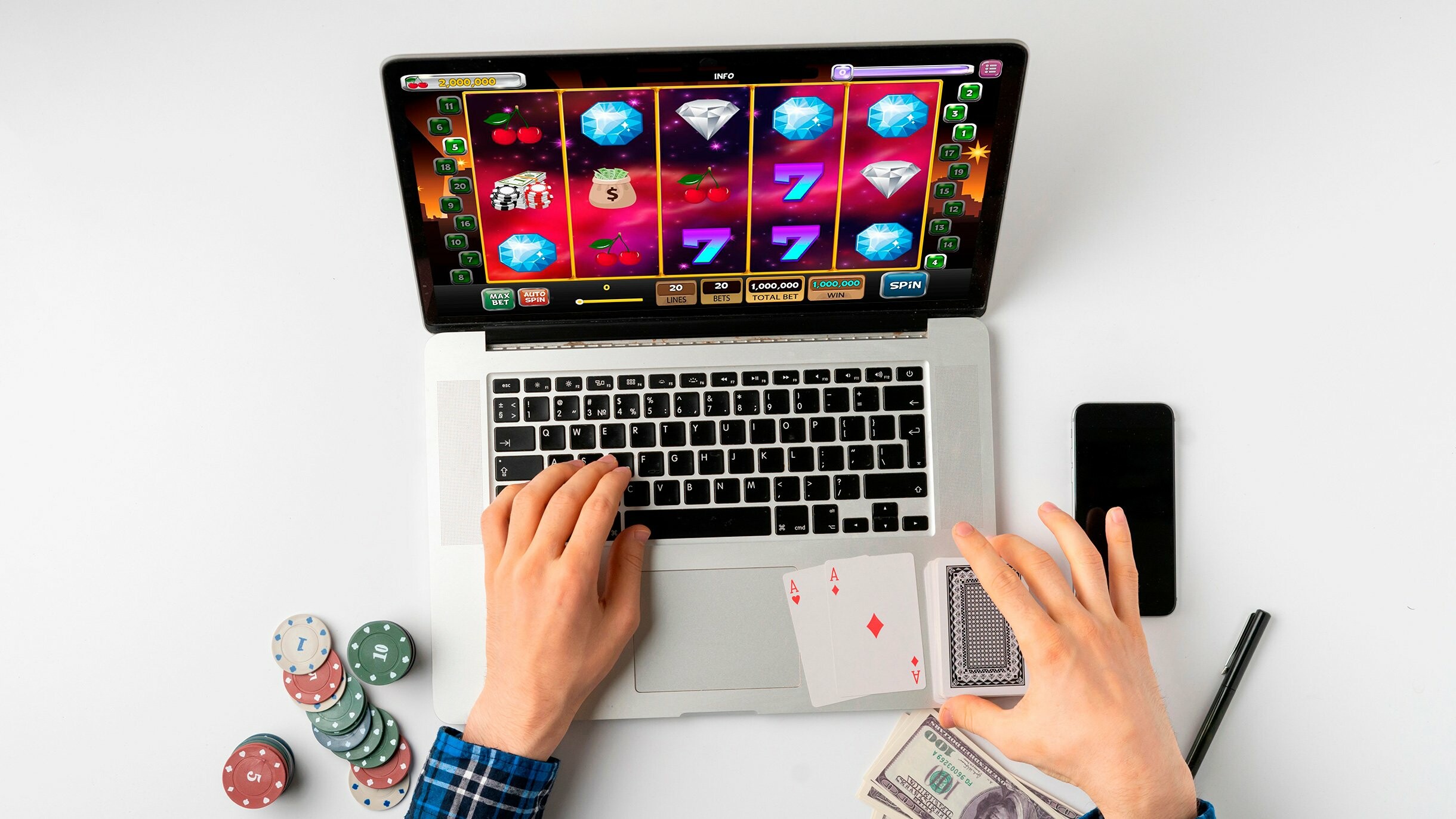
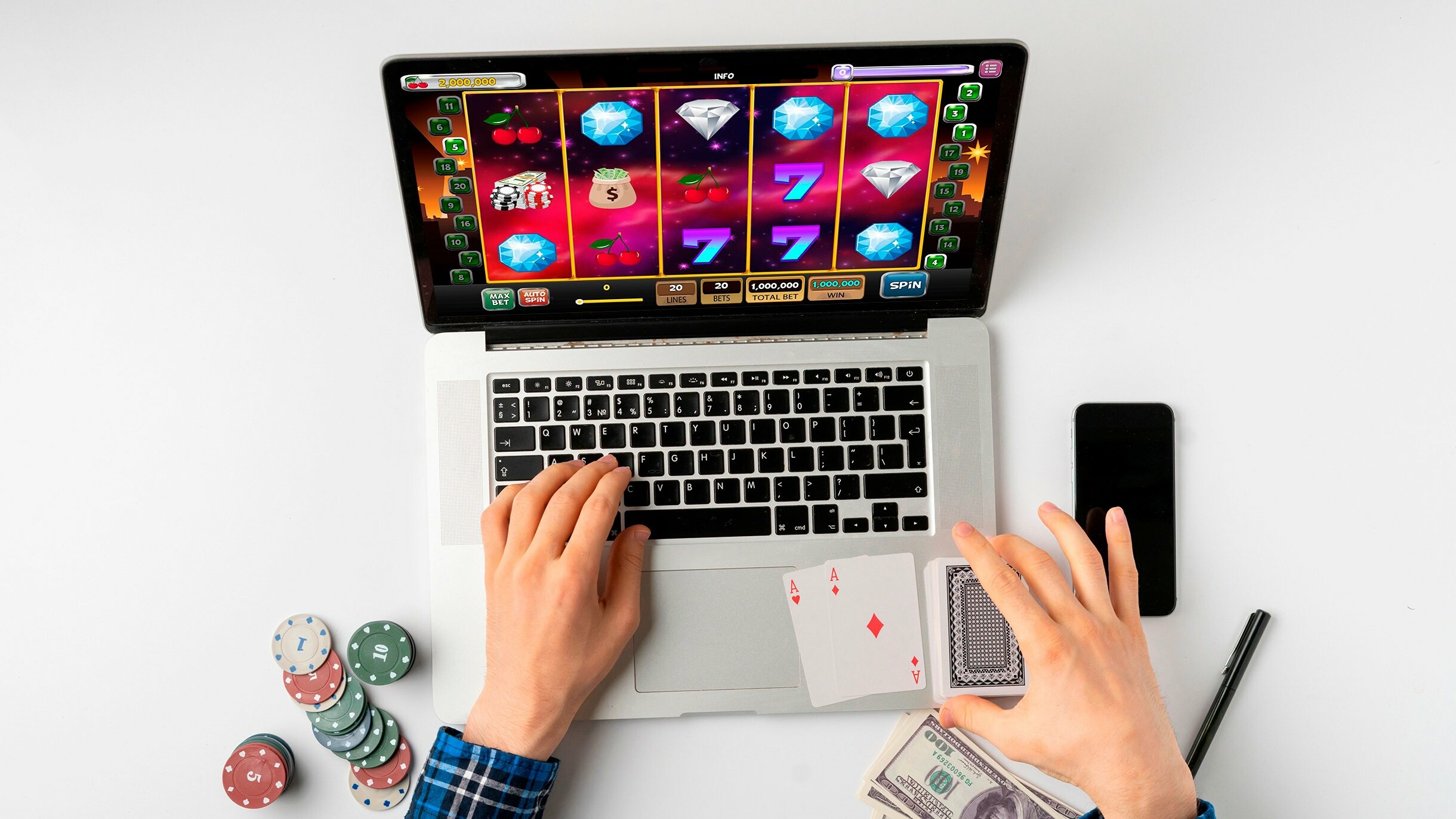
In recent decades, casinos have expanded their influence globally, becoming significant players in local economies. The rise of online gaming and mobile applications like Crazy Time A App has revolutionized the way people engage with gambling. These changes reflect a broader trend of integrating technology into leisure activities, illustrating how casinos continue to evolve while maintaining their cultural significance.
Cultural Representation and Casinos
Casinos often reflect the cultural dynamics of the communities in which they exist. They serve as venues for entertainment, showcasing local traditions through themed events, performances, and culinary offerings. For instance, many casinos incorporate regional motifs in their designs, offering a unique blend of gambling and cultural expression.
Moreover, casinos contribute to cultural narratives in various forms of media, from films to literature. The depiction of casinos in movies often emphasizes their allure and mystique, portraying them as places of both fortune and misfortune. This representation shapes public perception and can enhance the popularity of casino culture within society.
These establishments also play a crucial role in tourism, drawing visitors eager to experience the thrill of gambling. For many, visiting a casino becomes part of a cultural pilgrimage, where they engage not just in betting but also in enjoying entertainment, dining, and socializing. This multi-faceted approach enriches the cultural landscape of many cities, making casinos a vital part of the local identity.
The Role of Casinos in Social Interaction
Casinos provide unique environments that foster social interaction. Unlike traditional entertainment venues, they encourage mingling among diverse groups of people. Players often share strategies, celebrate wins, and console each other during losses, creating a communal atmosphere that enhances the gambling experience. This social aspect can reduce feelings of isolation and contribute to a sense of belonging.
Furthermore, casinos are increasingly incorporating social elements into their design. Modern establishments often feature lounges, bars, and restaurants that encourage guests to gather and interact beyond the gaming tables. This holistic approach to entertainment helps solidify casinos as social hubs in the community, promoting connections and interactions among visitors.
The integration of technology into casino gaming, such as live dealer games and interactive platforms, further amplifies social interaction. These innovations allow players to engage with each other in real-time, enhancing the communal experience and making gambling more accessible. Online platforms, like the Crazy Time A App, exemplify how technology can bridge gaps and create virtual communities among players.
Economic Impact and Community Development
Casinos significantly contribute to local economies through job creation and tourism. They employ thousands of individuals, from dealers to hospitality staff, thus providing essential income for many families. The influx of tourists also stimulates local businesses, including hotels, restaurants, and retail shops, leading to a cycle of economic growth in the area.
Moreover, many casinos engage in community development initiatives, investing in local charities and infrastructure. This philanthropic approach helps build goodwill among residents, portraying casinos as responsible community members rather than merely profit-driven entities. Such efforts foster positive relationships and can mitigate some negative perceptions associated with gambling.
The economic contributions of casinos can also lead to improved public services. Revenue generated through taxes can be reinvested in essential services such as education, healthcare, and public safety. This relationship underscores the potential for casinos to play a constructive role in their communities, proving that their impact extends beyond the gaming floor.

Exploring Crazy Time A: A Modern Casino Experience
The Crazy Time A App represents a new frontier in the casino experience, merging traditional gaming with cutting-edge technology. It offers users an immersive environment where they can engage with live shows and interactive features that replicate the excitement of physical casinos. The app’s user-friendly interface allows players to navigate effortlessly, making gaming accessible to all.
In addition to its entertainment value, Crazy Time A prioritizes user safety and privacy. With robust security measures in place, players can indulge in the thrill of gaming without concerns about their personal information. This focus on safety is essential in cultivating trust among users, further enhancing the app’s appeal.
As the landscape of casino gaming continues to evolve, Crazy Time A exemplifies how technology can enhance cultural engagement and entertainment. By offering a blend of real-time interaction and innovative gameplay, the app attracts a diverse audience, ensuring that the cultural significance of casinos remains relevant in today’s digital age.