


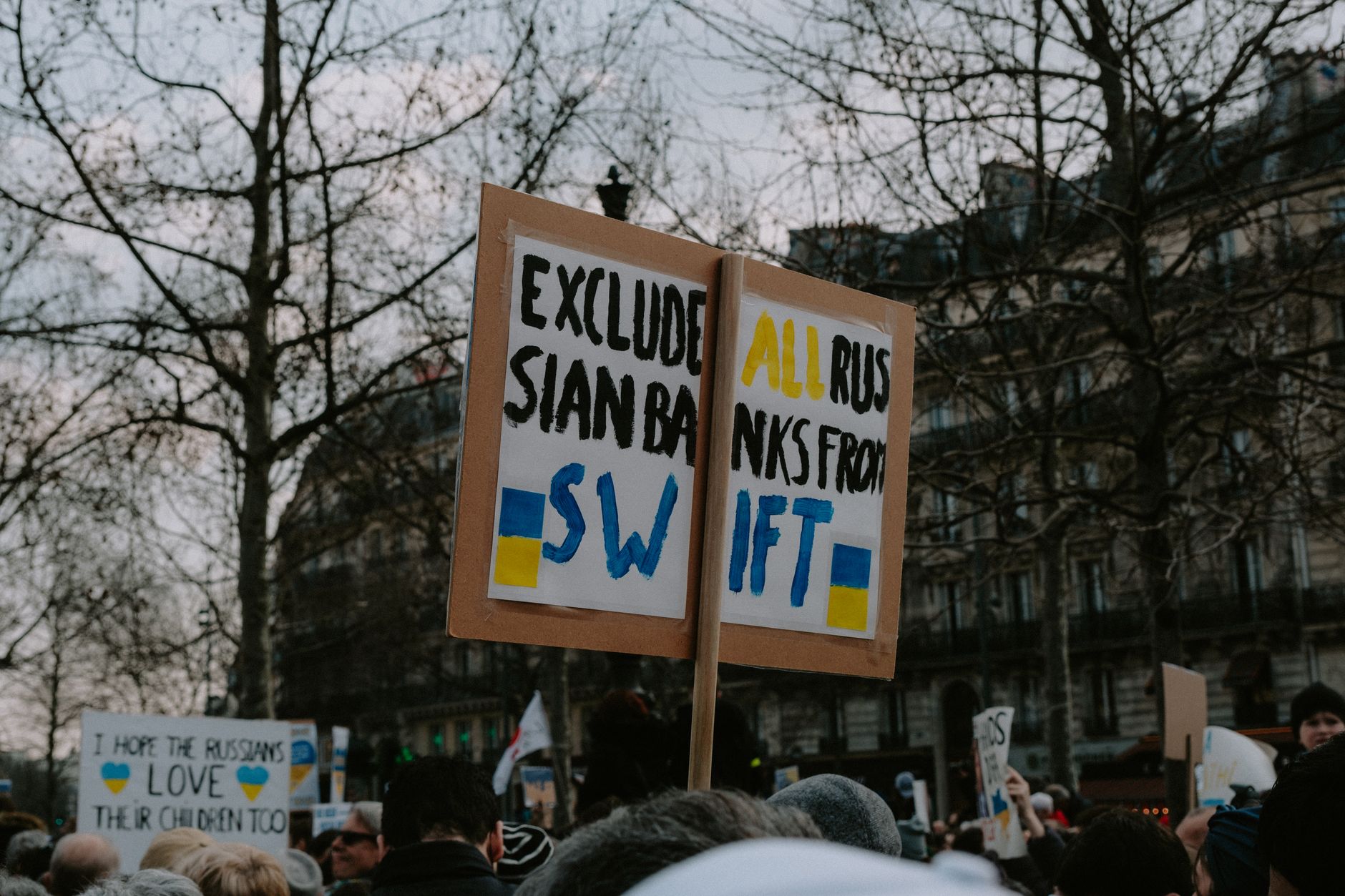

EU Iran sanctions are a significant development in international relations. This new strategy aims to apply pressure on Iran in collaboration with the U.S. and its allies.
Understanding the EU’s stance on Iran
The European Union has taken a firm stance regarding Iran, particularly in the context of the ongoing tensions surrounding its nuclear program. In recent years, the EU Iran sanctions have been a key component of this approach, intended to curb Iran’s nuclear ambitions and promote regional stability.
Historically, the EU has aimed to balance diplomatic engagement with economic pressure. This dual strategy seeks to encourage Iran to adhere to international agreements while also addressing concerns about its influence in the Middle East. The EU’s decision to align with the United States, particularly during the Trump administration, marks a significant shift in its foreign policy.
Critics argue that these sanctions may exacerbate tensions rather than foster peace. They highlight the potential humanitarian impact on the Iranian populace and question whether isolating the nation will ultimately lead to constructive dialogue.
- Diplomatic engagement vs. economic pressure
- Impact on regional stability
- Humanitarian concerns
Impact of sanctions on Iran’s economy
The impact of EU Iran sanctions has been profound, reshaping various aspects of the Iranian economy. These measures aim to curtail Tehran’s nuclear ambitions and its influence in the region. As a result, several sectors have been significantly affected:
- Oil Exports: Sanctions have led to a drastic decline in oil exports, which are a critical source of revenue for Iran.
- Currency Devaluation: The Iranian rial has faced severe devaluation, increasing inflation and reducing purchasing power for citizens.
- Foreign Investment: International businesses are hesitant to invest in Iran due to the sanctions, stifling economic growth.
- Trade Relations: EU Iran sanctions have strained trade relations not only with Europe but also with neighboring countries that fear secondary sanctions.
While the EU maintains that these sanctions are necessary for promoting peace, the humanitarian consequences for ordinary Iranians raise critical questions about their long-term effectiveness.
Donald Trump’s role in the sanctions
Donald Trump’s administration played a pivotal role in shaping the current landscape of EU Iran sanctions. His decision to withdraw from the Joint Comprehensive Plan of Action (JCPOA) in 2018 marked a significant shift in U.S. foreign policy, which prompted European nations to reevaluate their strategies towards Iran. Despite initial resistance, the EU began aligning its sanctions with those imposed by the U.S., recognizing the need to address concerns over Iran’s nuclear ambitions and regional influence.
The term “Operation Economic Outcast” was coined during this period, reflecting the intention to isolate Iran economically. Critics argue that this approach may not lead to the desired peace and stability in the region, questioning whether such alignment with U.S. policy is beneficial for Europe. Still, proponents of the EU Iran sanctions believe that a united front may pressure Iran into compliance, ultimately fostering a safer geopolitical environment.
As the situation evolves, the effectiveness of this strategy continues to be a subject of intense debate.
Reactions from Iran and its allies
The recent EU Iran sanctions have sparked a wave of reactions from Iran and its allies, highlighting a growing sense of tension in the region. Iranian officials have condemned the sanctions, claiming they are an unjust attempt to undermine the nation’s sovereignty. Mohammad Javad Zarif, Iran’s foreign minister, stated that the EU’s actions are counterproductive and will only serve to deepen hostilities.
Additionally, Iran’s allies, including Russia and China, have voiced their disapproval of the EU’s strategy. They argue that such sanctions could escalate conflicts instead of fostering diplomatic dialogue. Sergey Lavrov, Russia’s foreign minister, emphasized the need for a unified approach to address Iran’s concerns rather than imposing punitive measures.
As criticisms mount, the effectiveness of the EU Iran sanctions in achieving long-term peace remains questionable, with many experts urging for a more collaborative approach to diplomacy.
Future implications for EU-Iran relations
The future implications for EU-Iran relations remain uncertain as the EU continues to impose sanctions aimed at curbing Iran’s nuclear ambitions. These EU Iran sanctions are designed not only to pressure the Iranian government but also to engage in diplomatic negotiations. However, the effectiveness of this strategy is being debated among analysts.
Should the sanctions persist, there may be potential repercussions for Europe, including:
- Further alienation of Iran: Prolonged sanctions could drive Iran closer to other allies, diminishing European influence in the region.
- Economic repercussions: Companies in Europe may suffer from lost trade opportunities, potentially impacting jobs and growth.
- Regional instability: A more isolated Iran could lead to increased tensions in the Middle East, affecting global security.
As the EU navigates these complexities, finding a balance between sanctions and diplomacy will be crucial for future relations with Iran.
Photo by Mathias Reding on Pexels