



The Illusion of Control and Casino Games
Many players enter a casino with a flawed psychological understanding, believing they can exert control over games of chance. This “illusion of control” is a powerful cognitive bias that leads individuals to overestimate their ability to influence outcomes. In games like roulette or slot machines, where randomness is inherent, this belief is particularly misleading. Players might develop rituals, superstitions, or betting patterns they believe will sway the odds, when in reality, each spin or roll is an independent event, and understanding the offerings at this is vegas casino can help players approach these games more rationally.
This psychological quirk is amplified by the casino environment itself, which is meticulously designed to foster engagement and prolong play. The flashing lights, ambient sounds, and the very architecture of the space are intended to distract from the underlying probabilities and encourage a state of heightened emotional investment. Understanding that games of pure chance are not susceptible to personal influence is the first step towards a more rational approach to casino gaming, distinguishing it from skill-based activities.
Emotional Regulation in High-Stakes Play
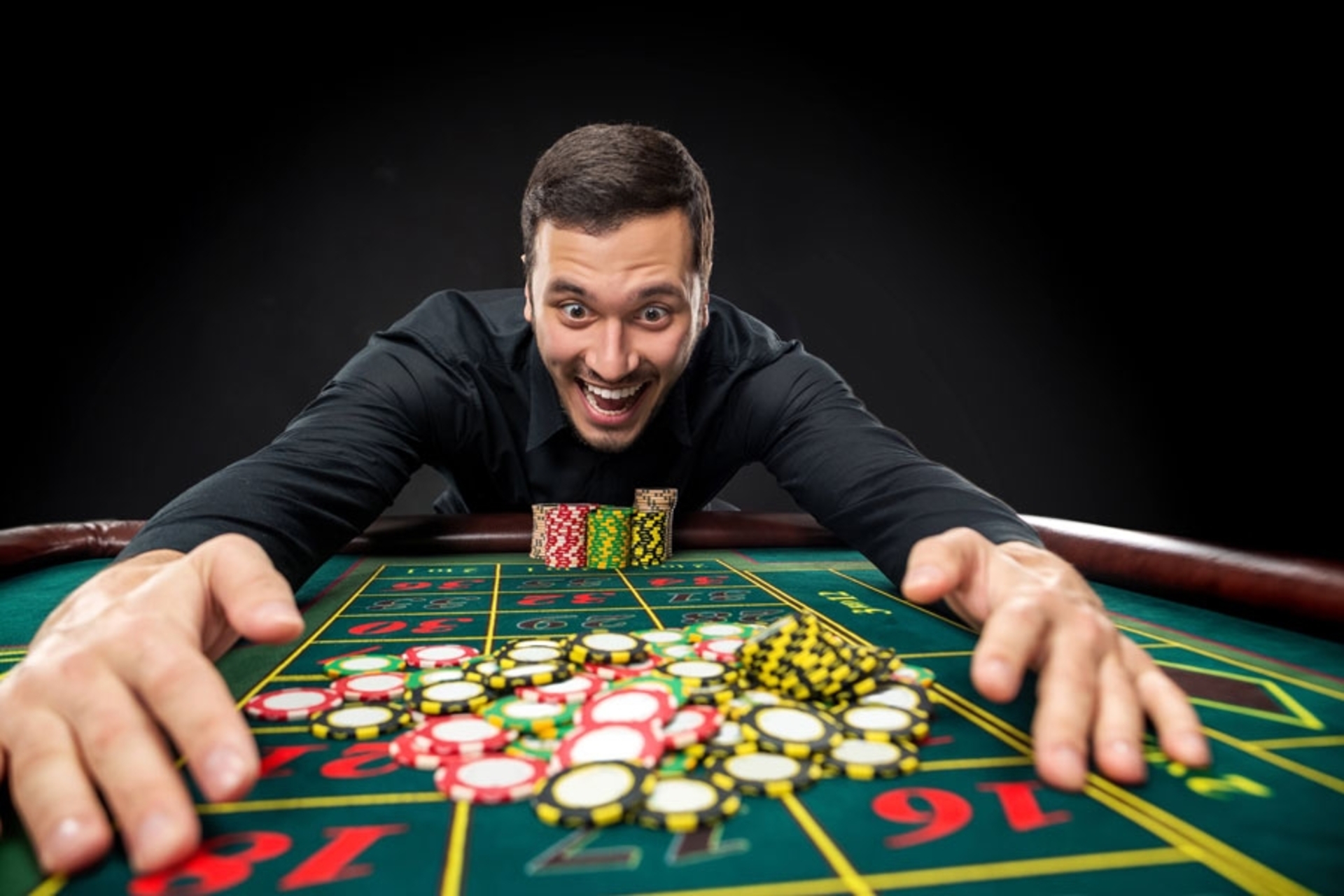
The emotional rollercoaster of casino gaming is a significant psychological factor. Winning can trigger euphoria and a sense of invincibility, often leading to bolder, riskier bets. Conversely, losing can induce frustration, anxiety, and a desperate urge to recoup losses, a phenomenon known as “chasing losses.” This emotional volatility can severely impair judgment, leading to impulsive decisions that deviate from a pre-planned strategy, if one exists.
Effective emotional regulation is crucial for any player seeking to manage their gambling experience. This involves recognizing the triggers for emotional responses and developing coping mechanisms to maintain composure. Setting strict limits on both time and money, and adhering to them even when experiencing strong emotions, is a hallmark of disciplined play. This self-control allows players to step away from unfavorable situations and avoid making decisions driven by immediate feelings rather than rational thought.
Cognitive Biases That Shape Casino Decisions
Beyond the illusion of control, numerous other cognitive biases influence how individuals approach casino games. The “gambler’s fallacy,” for instance, is the mistaken belief that if something happens more frequently than normal during some period, it will happen less frequently in the future, or that if something happens less frequently than normal during some period, it will happen more frequently in the future. This is particularly evident at the roulette table, where a player might bet on red after a string of black outcomes, believing red is “due.”
Another prevalent bias is “confirmation bias,” where players tend to seek out and interpret information that confirms their existing beliefs about a particular game or strategy. This can lead to ignoring evidence that suggests their chosen approach is flawed. The “availability heuristic” also plays a role, where players overestimate the likelihood of winning based on vivid memories of big wins they’ve witnessed or experienced, while downplaying the far more common reality of losses.
The Role of Expectation and Reward Cycles
The psychology of gambling is deeply intertwined with the principles of operant conditioning and reward cycles. Casinos are masters at creating intermittent reinforcement schedules – rewards (wins) are delivered unpredictably, which is highly effective in maintaining behavior. This unpredictability makes the experience more engaging and can lead to a dopamine release in the brain, creating a powerful reward loop that encourages continued play.
Players often develop expectations based on past experiences, however infrequent the wins may be. These expectations fuel the desire to keep playing, hoping for that next significant win. The allure of the jackpot, the thrill of a close call, and the sheer excitement of the unknown all contribute to a powerful psychological draw. Understanding these reward mechanisms is key to recognizing the addictive potential of gambling and the intricate psychological hooks that keep players returning.

Navigating the Casino Experience at ThisIsVegas Casino
For players looking to engage with casino games, understanding the psychological landscape is paramount, and platforms like ThisIsVegas Casino offer a wide array of options. While the thrill of the games is undeniable, recognizing the inherent randomness and the psychological biases that can influence decision-making is crucial for a responsible approach. ThisIsVegas Casino, like many online platforms, is designed to provide an immersive experience, and players should be mindful of how the environment might affect their perceptions and choices.
At ThisIsVegas Casino, the variety of slots, table games, and live dealer options caters to different player preferences. However, regardless of the game chosen, the underlying psychological principles remain the same. Players are advised to approach their sessions with a clear understanding of probabilities, set personal limits, and prioritize enjoyment over the pursuit of guaranteed wins. A mindful approach to gaming at any online casino, including ThisIsVegas Casino, ensures a more controlled and potentially more rewarding experience in the long run.